
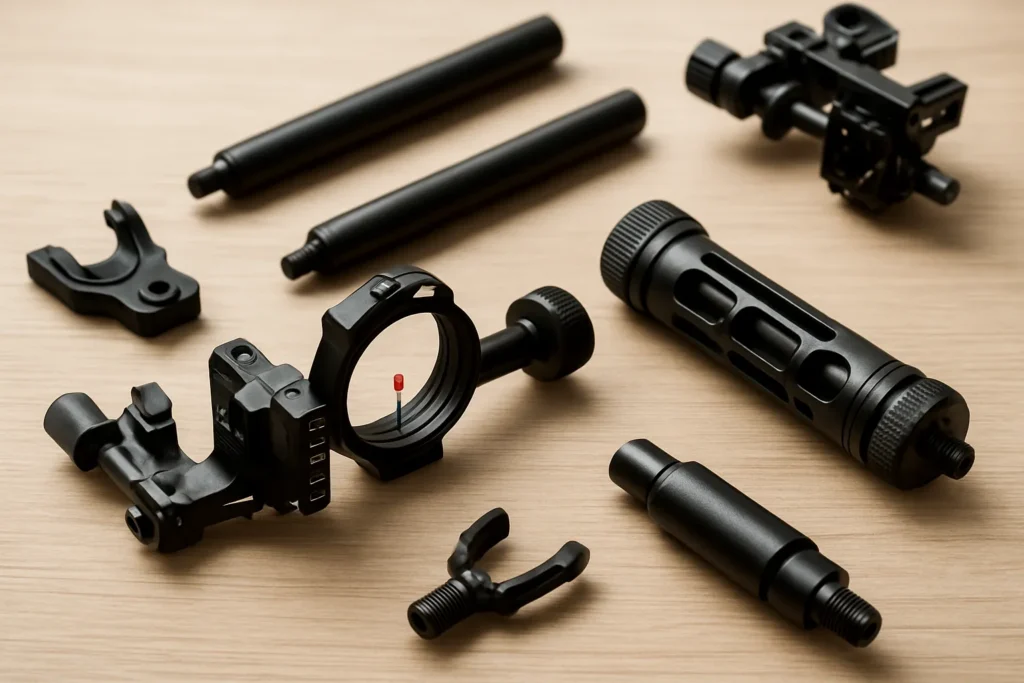
Understanding Precision Archery Components for Peak Shooting Performance
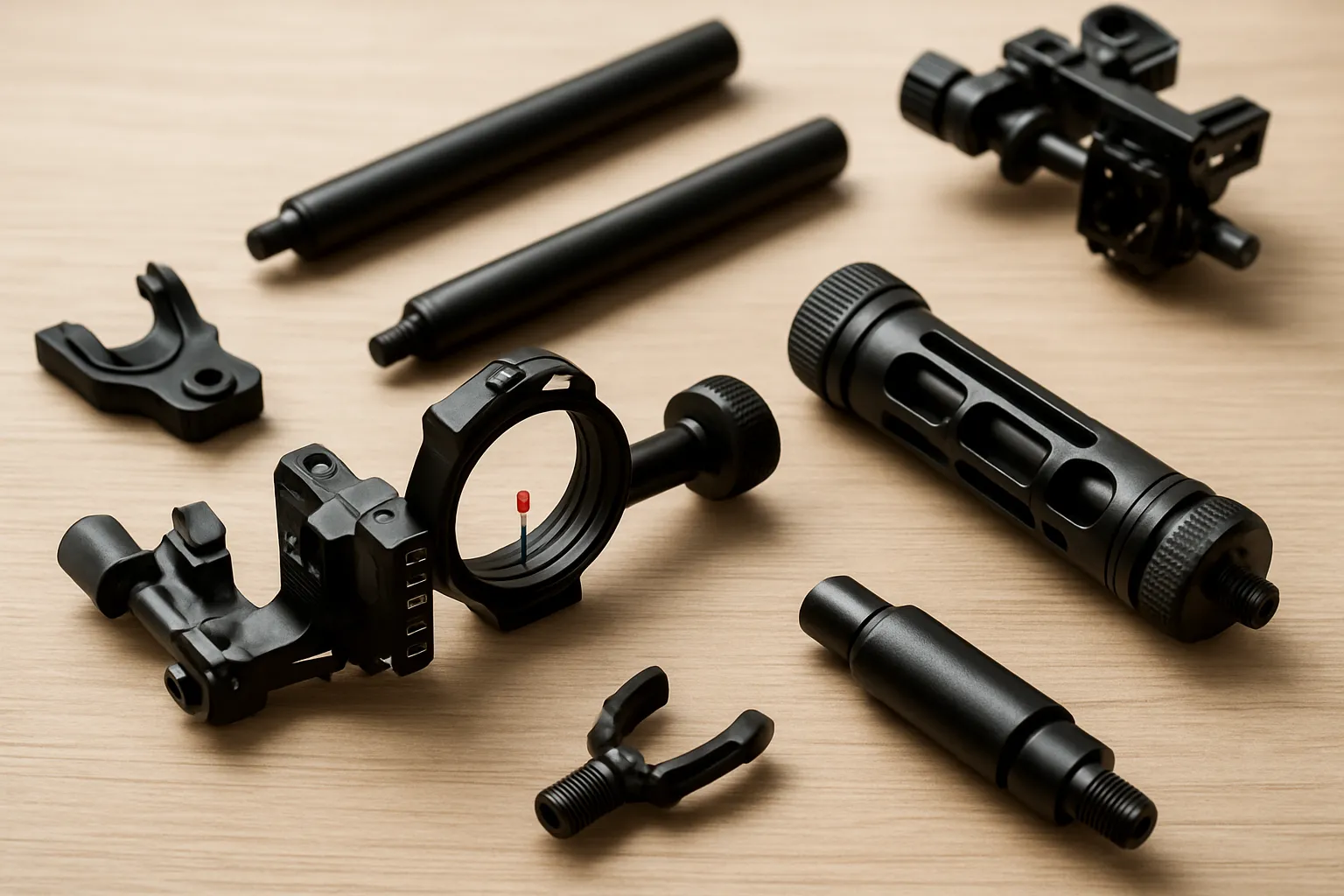
Precision archery components are fundamental to achieving peak performance in archery. These parts, ranging from stabilizers to sights, are crucial for improving accuracy and consistency during shooting. As the sport evolves, the demand for high-quality shooting range accessories has skyrocketed. It’s essential for both archers and shooting range operators to grasp the importance of precision components. In this article, we will explore various aspects of precision archery components, including their specifications, use cases, and sourcing strategies, ultimately helping you enhance your shooting experience.
Key Specifications of Precision Archery Components
When selecting precision archery components, several key specifications must be evaluated to ensure they meet the needs of both competitive and recreational shooters.
- Material Quality: The durability and performance of archery components rely heavily on the materials used. High-grade materials like carbon fiber, aluminum, and stainless steel are preferred for their strength, lightweight characteristics, and resistance to environmental factors. Quality materials enhance the longevity and reliability of shooting range accessories.
- Tolerance Levels: Precision is paramount in archery. Tolerance levels refer to the allowable deviation in measurements for components. Components with tighter tolerances offer improved consistency and accuracy, which is essential for competitive archers. Understanding these levels can assist in selecting components that align with specific shooting needs.
- Compatibility with Accessories: Not all components are universally compatible. It is crucial to ensure that precision archery components are designed to integrate seamlessly with existing shooting range accessories. Compatibility can significantly influence performance and the overall shooting experience.
Use Cases for Precision Archery Components
Precision archery components cater to a variety of shooting scenarios, each requiring unique attributes.
- Competitive Archery: In competitive environments, where every point matters, precision components are indispensable. Archers depend on high-performance sights, stabilizers, and arrows engineered for accuracy, enabling them to maintain consistency under pressure.
- Recreational Shooting: For recreational shooters, precision components enhance enjoyment and skill development. While the stakes may not be as high as in competitions, reliable components can lead to improved shooting experiences and greater satisfaction.
- Training Environments: In training settings, precision components are utilized to hone skills and techniques. Quality equipment allows trainers to provide accurate feedback, helping trainees understand the nuances of archery mechanics.
Comparing Different Precision Archery Components
Choosing the right precision archery components necessitates a careful evaluation of various factors.
- Types of Components: Common types include sights, stabilizers, arrows, and release aids. Each type serves a distinct purpose and can significantly affect performance. Understanding the unique features of each category aids in making informed choices.
- Performance Metrics: Metrics such as accuracy, stability, and ease of use are crucial when comparing components. Archers should assess how each component contributes to their shooting style and objectives.
- Cost vs. Quality Analysis: While lower-cost options may be tempting, the adage “you get what you pay for” rings true in archery. Investing in high-quality precision components can yield better long-term results, reducing the need for frequent replacements and repairs.
Sourcing Precision Archery Components
Finding reliable sources for precision archery components is vital for individual archers and shooting range operators alike.
- Identifying Reliable Suppliers: Seek suppliers with a strong reputation for quality and reliability. Online reviews and testimonials can provide insights into a supplier’s credibility.
- Evaluating Supplier Credentials: Assess suppliers based on their experience, product range, and customer service. Suppliers specializing in archery components are often better suited to meet specific needs.
- Bulk Purchase Considerations: For shooting ranges, bulk purchasing can lead to significant cost savings. Look for suppliers that offer discounts for bulk orders while ensuring that quality remains uncompromised.
Implementing Precision Archery Components in Shooting Ranges
Once precision components are sourced, proper implementation is essential to maximize their benefits.
- Installation Guidelines: Following manufacturer installation guidelines ensures components function as intended, preventing issues and enhancing performance.
- Maintenance Best Practices: Regular maintenance of precision components is crucial for longevity. Proper cleaning, inspection, and storage can help maintain performance and reliability.
- Upgrading Existing Equipment: As technology advances, upgrading existing equipment with precision components can greatly enhance the shooting experience. Evaluating current gear and identifying areas for improvement can lead to better performance outcomes.
Frequently Asked Questions
- Common Concerns about Precision Components: Many archers have questions about the durability and reliability of precision components. Understanding the materials and specifications can help alleviate these concerns.
- Troubleshooting Issues: Problems such as misalignment or wear may arise with components. Knowing how to troubleshoot common issues can save time and enhance performance.
- Future Trends in Archery Components: The archery industry is continuously evolving, with new technologies and materials emerging. Staying informed about these trends can help archers and range operators make strategic equipment decisions.
In conclusion, precision archery components are vital for enhancing shooting range accessories and improving overall performance. By understanding their specifications, use cases, and sourcing strategies, archers can make informed choices that lead to better results in both competitive and recreational shooting environments.